


Sea Floating Barrier
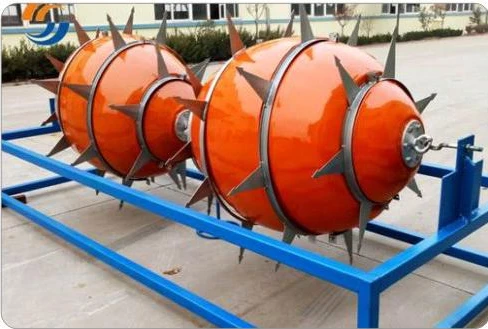
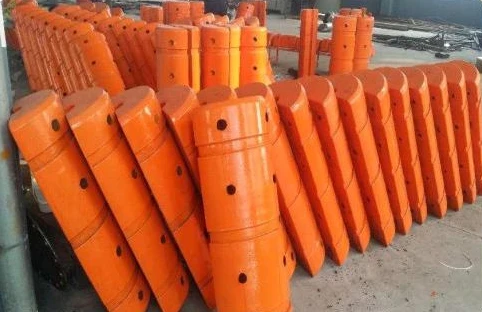
LUHANG floating barrier is constructed of multiple floating foam fenders that are coupled together.allowing for a free 360 degree rotation.Floating barriers are bespoke barrier systems for demarcationsecurity and entry restriction applications in all marine environments from shallow to offshore.Thefloating foam fenders are linked to form a barrier of any length desired to suit your specific applicationneeds. Anchor points are established at approximately 80 ft intervals.Some fenders are supplied witha smooth surface alternativelv fitted with an arrav ofspikes, custom-sized and shaped to suit theparticular threat.
Description
Sea Floating Barrier
(also known as a floating sea barrier or marine floating barrier) is a structure designed to float on the surface of water bodies such as oceans, seas, lakes, or rivers, serving various functional purposes through physical isolation, containment, or protection. Below is a detailed overview:
Core Functions
Containment & Pollution Control
Used to contain oil spills, chemical leaks, or floating debris (e.g., plastic waste) in marine environments, preventing the spread of pollutants and facilitating cleanup operations.
Common in oil terminals, ports, or areas prone to industrial discharge.
Security & Access Restriction
Acts as a physical barrier to restrict unauthorized access to sensitive marine areas, such as military zones, nuclear power plant coastal areas, or ecological reserves.
Can deter ships, boats, or underwater vehicles from entering restricted zones, enhancing safety and security.
Ecological Protection
Separates sensitive ecosystems (e.g., coral reefs, fish spawning grounds, or mangroves) from human activities like shipping, fishing, or tourism, reducing habitat disruption.
May also guide the movement of aquatic species (e.g., preventing invasive species from spreading) or protect endangered wildlife.
Navigation Safety
Marks dangerous areas (e.g., shallow waters, submerged rocks, or construction sites) to warn ships and prevent groundings or collisions.
Can redirect vessel traffic in busy waterways to avoid congestion or accidents.
Design & Structure
Materials: Typically made of durable, water-resistant materials such as high-density polyethylene (HDPE), steel, aluminum, or reinforced rubber. Some are designed to be flexible to withstand waves and currents, while others are rigid for stability.
Anchoring: Secured to the seabed using weights, piles, or anchors to prevent displacement by tides, winds, or currents.
Modularity: Often assembled in modular sections, allowing easy deployment, expansion, or removal based on specific needs.
Additional Features: May include buoys for visibility, sensors (e.g., for monitoring water quality or detecting intrusions), or reflective/lighted elements for nighttime visibility.
Applications
Oil & Gas Industry: Containing spills during offshore drilling or tanker operations.
Coastal Infrastructure: Protecting ports, harbors, or seawalls from collisions with vessels.
Environmental Remediation: Collecting floating debris in polluted water bodies (e.g., river mouths or bays).
Military & Border Control: Securing coastal borders or restricted military zones.
Aquaculture: Separating fish farms from open waters to prevent escapes or predator intrusion.
Considerations
Environmental Impact: Must be designed to minimize disruption to marine life (e.g., avoiding entanglement of marine animals or blocking natural water flow).
Durability: Needs to withstand harsh marine conditions (saltwater corrosion, extreme weather, and strong currents).
Cost-Effectiveness: Balancing functionality with maintenance and deployment costs, especially for large-scale barriers.
Hot Tags: sea floating barrier, China, factory, suppliers, manufacturers, wholesale, buy, price, yokohama rubber fender, ship protection fender, Marine air fender, air ship fender, marine pneumatic rubber fender, boat foam fender


